Mungo: A Stylish Serif Font
There I was, tracing the edges of a candle label with my finger, wondering how to make the text feel just right. The design had to be elegant but approachable, something that would catch the eye without being too flashy. That’s when I discovered Mungo—a chic and lovely serif font that brought exactly the vibe I needed.
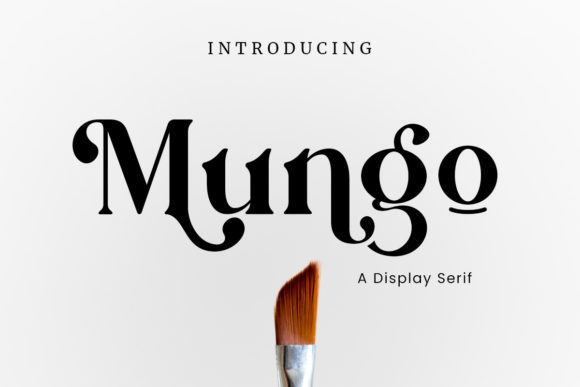
Mungo has a soft, refined look with stylish alternates and ligatures that give it a unique personality. It feels like a classic typeface with a modern twist, perfect for handmade projects that need a touch of sophistication. Whether I’m working on labels, cards, or packaging, Mungo adds a sense of charm and creativity that elevates the whole design.
Using Mungo in Handmade Projects
One of my favorite uses for Mungo is on candle labels. The font’s delicate swashes and graceful curves make it ideal for names, scents, or short phrases that need to stand out. I often pair it with a clean sans serif for balance, letting Mungo take center stage for headings while keeping body text easy to read.
I’ve also used Mungo on greeting cards and wedding invitations. Its elegant style gives a timeless feel that works well for both traditional and rustic themes. When designing printable wall art, I love how Mungo can transform simple text into a focal point, adding visual interest without overwhelming the composition.
For seasonal projects, like farmhouse signs or holiday tags, Mungo brings a warm, inviting tone. It pairs beautifully with hand-painted elements or minimalist illustrations, making it a go-to choice for boutique packaging and product tags. The font’s PUA encoding means I can access all the glyphs and swashes without any hassle, which is a big plus when creating detailed designs.
How Mungo Enhances Product Presentation
When it comes to product presentation, Mungo helps create a cohesive brand identity. Its consistent style across different materials—whether on a tote bag, mug, or digital download—builds recognition and trust with customers. The font’s visual appeal can subtly influence how people perceive the quality of a product, making it a valuable tool for small shop owners and handmade sellers.
I’ve found that Mungo works best for short phrases, names, and decorative wording. It’s not ideal for long blocks of text, but as a display font, it shines in titles, headers, and logos. For example, using Mungo on a wedding welcome board or a printable planner page adds a personal, artistic touch that makes the design feel more intentional.
When working with cutting machines or small stickers, I always test Mungo at different sizes to ensure readability. The font maintains its clarity even at smaller sizes, which is essential for product labels and printed cards. For mockup previews, I use Mungo to showcase how a design will look in real life, helping customers visualize the final product before purchasing.
Pairing Mungo with Other Fonts
Font pairing is an important part of design, and Mungo offers a lot of flexibility. I often pair it with a simple serif or a clean sans serif to create contrast and balance. For a more playful look, I might combine it with a script or handwritten font, letting Mungo provide structure while the other font adds character.
When working on digital templates or SVG-style designs, I check the font’s file formats and licensing to make sure it’s suitable for commercial use. Mungo’s support for multiple weights and styles makes it adaptable for different projects, from bold headlines to subtle accents.
For those creating printable downloads or digital printables, Mungo’s multilingual support is a bonus. It allows for creative freedom when designing content in different languages, ensuring that the font remains consistent across all materials.
Realistic Examples of Mungo in Action
On a recent project, I used Mungo for a set of holiday tags. The font’s elegant style complemented the vintage-inspired illustrations, creating a cohesive look that felt both nostalgic and fresh. For a birthday invitation, Mungo added a touch of class, making the event feel more special and memorable.
I’ve also used Mungo on boutique tags and signage for a small shop. The font’s readability and aesthetic made it easy to incorporate into different materials, from paper tags to metal signs. It’s become a staple in my design toolkit, especially when I want to add a touch of refinement to a project.
Whether I’m working on a seasonal craft, a printable template, or a custom product label, Mungo consistently delivers a high-quality look that feels both professional and personal. Its versatility and charm make it a valuable addition to any maker’s collection of design assets.
As I continue to explore new ways to use Mungo, I’m always impressed by how it adapts to different projects while maintaining its unique character. From candle labels to wedding stationery, this font has proven itself as a reliable and creative choice for handmade sellers and crafters alike.